
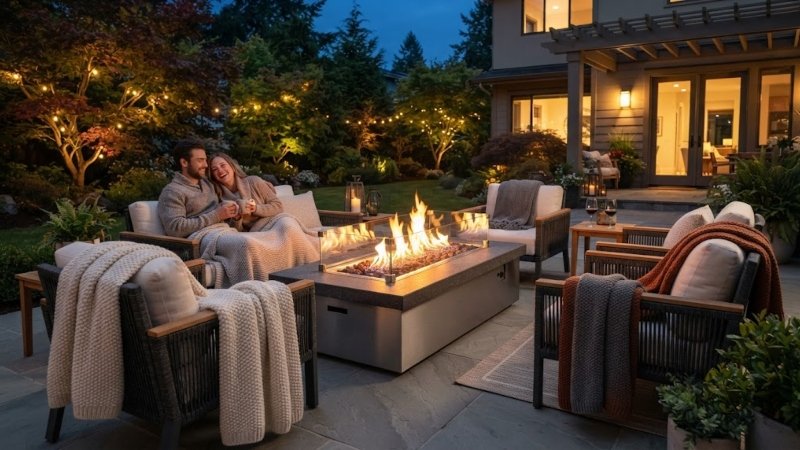
Picture this: it’s a chilly evening, and your backyard glows with warm, flickering light. No smoke. No hassle. Just cozy comfort at the flip of a switch. That’s the magic of gas fire pits.
Demand for outdoor living spaces has surged in recent years. In fact, over 60% of homeowners now say a fire feature is a top priority for backyard upgrades. Gas fire pits lead that trend. They offer instant heat, clean burning, and zero cleanup.
Unlike wood-burning pits, gas fire pits skip the smoke and ash. You get real flames without the mess. They’re safer, too. Many models come with automatic shut-off features.
Whether you’re hosting friends or relaxing alone, gas fire pits turn any outdoor space into a warm retreat. This guide covers everything you need to know before you buy.
What Are Gas Fire Pits?
Gas fire pits use propane or natural gas to create flames. A burner sits at the center. Decorative rocks or glass often cover it. When you turn the knob, gas flows to the burner. An igniter sparks the flame.
These units come in many shapes. Round, square, and rectangular designs all exist. Some sit low to the ground. Others rise to table height. You can find portable models too. These work well for renters or small patios.
Most gas fire pits run on one of two fuel types. Propane tanks connect directly to the unit. Natural gas lines require a professional hookup. Each option has its own pros and cons.
Why Choose Gas Fire Pits Over Wood?
Wood-burning pits have charm. But they come with real downsides. Smoke can irritate eyes and lungs. Ash needs constant cleanup. Sparks can pose fire risks.
Gas fire pits solve these problems. They burn clean. No smoke drifts into your neighbor’s yard. No ash piles up at the bottom. You simply turn a knob to start or stop the flame.
Convenience is another major perk. You don’t need to chop or store wood. There’s no waiting for kindling to catch. Flames appear in seconds. When you’re ready to head inside, you switch it off just as fast.
Safety matters too. Gas fire pits offer more control over flame height. Many models include safety shut-off valves. If the flame goes out, gas stops flowing automatically. This feature protects your home and family.
Types of Gas Fire Pits
Propane Fire Pits
Propane fire pits use refillable tanks. You can move them anywhere in your yard. No gas line installation is needed. This makes them a popular choice for renters. They also work well for people who like to rearrange their outdoor space often.
The tank usually hides inside the base of the unit. You just swap it out when it runs low. Refills are available at most hardware stores and gas stations.
Natural Gas Fire Pits
Natural gas fire pits connect to your home’s gas line. This means you never run out of fuel. There’s no tank to refill or replace. However, installation requires a licensed plumber. This adds to the upfront cost.
Once installed, natural gas fire pits are incredibly convenient. You’ll never interrupt a gathering to swap a tank. The fixed location works well for permanent patio designs.
Key Features to Look For
Choosing the right gas fire pit depends on several factors. Here’s what to consider before you buy.
Size and Shape
Think about your available space. A small patio suits a compact, round unit. Larger yards can handle bigger, rectangular designs.
BTU Output
BTU stands for British Thermal Units. This number tells you how much heat a unit produces. Higher BTU ratings mean more warmth. Most residential models range from 40,000 to 100,000 BTUs.
Material
Common materials include steel, aluminum, and concrete. Steel is durable but can rust over time. Aluminum resists corrosion well. Concrete offers a modern look and sturdy build.
Ignition System
Some units use a match to light. Others have push-button or electronic ignition. Push-button models offer more convenience.
Portability
If you plan to move your fire pit often, choose a lightweight design. Built-in models work better for permanent outdoor kitchens or patios.
Installation Tips
Installing gas fire pits isn’t overly complicated, but a few steps matter. First, check local building codes. Some cities require permits for gas line installations. Always follow manufacturer guidelines for clearance from structures.
Place your fire pit on a flat, non-flammable surface. Concrete, stone, and pavers work well. Avoid wood decks unless the pit sits on a heat-resistant pad.
Keep the unit at least 10 feet from your house. This distance reduces fire risk and prevents smoke damage to siding. Check wind patterns in your yard too. Strong winds can affect flame stability.
If you’re installing a natural gas line, hire a licensed professional. This step ensures safety and code compliance. DIY gas line work can be dangerous and may void warranties.
Maintenance and Care
Gas fire pits require less upkeep than wood-burning versions. Still, regular care extends their lifespan.
Clean the burner and glass rocks occasionally. Dust and debris can clog gas ports. Use a soft brush to remove buildup. Check the connections regularly for leaks. A simple soap-and-water test works well. Bubbles indicate a leak.
Cover your fire pit when not in use. This protects it from rain, snow, and debris. Most manufacturers sell fitted covers for their models.
During winter, disconnect and properly store propane tanks. Keep tanks upright in a cool, dry place. Never store them indoors.
Cost Considerations
Prices for gas fire pits vary widely. Basic portable models start around $150. Mid-range options with better materials run $300 to $800. High-end built-in units can cost several thousand dollars.
Installation costs add to the total price. Natural gas hookups typically cost $200 to $500 for professional installation. Propane models skip this cost since they don’t require plumbing.
Consider long-term costs too. Propane tanks need regular refills. Natural gas is billed on your existing utility bill. Compare these ongoing expenses when budgeting.
Safety Guidelines
Safety should always come first with any fire feature. Never leave a burning fire pit unattended. Keep children and pets at a safe distance.
Check for gas leaks before each use. A quick sniff test can catch major leaks. If you smell gas, turn off the unit immediately.
Keep flammable materials away from the flame. This includes furniture cushions, decorations, and dry leaves. Store propane tanks away from direct sunlight and heat sources.
Follow the manufacturer’s instructions closely. Each model has specific safety requirements. These guidelines exist to protect you and your property.
Conclusion
Gas fire pits offer a clean, convenient way to enjoy your backyard year-round. They provide instant warmth without the mess of wood-burning options. With proper installation and care, they can last for years.
Whether you choose propane or natural gas, these units add comfort and style to any outdoor space. Take time to consider size, BTU output, and fuel type before you buy. The right choice will bring cozy evenings for seasons to come.
Frequently Asked Questions
Are gas fire pits safe to use on a wood deck?
Yes, but you’ll need a heat-resistant pad underneath. This prevents scorching or fire damage. Always check manufacturer guidelines first.
How long do gas fire pits last?
With proper care, gas fire pits typically last 10 to 15 years. Regular cleaning and covering extend their lifespan.
Can I convert a propane fire pit to natural gas?
Some models allow conversion with a kit. Check with the manufacturer before attempting this. Not all units support both fuel types.
Do gas fire pits need to be covered in rain?
Yes, covering gas fire pits protects the burner and connections. Moisture can cause rust or damage over time.
What is the average cost to run a gas fire pit?
Costs vary by fuel type and usage. Propane models cost $2 to $5 per hour of use. Natural gas costs less per hour but adds to your monthly utility bill.