
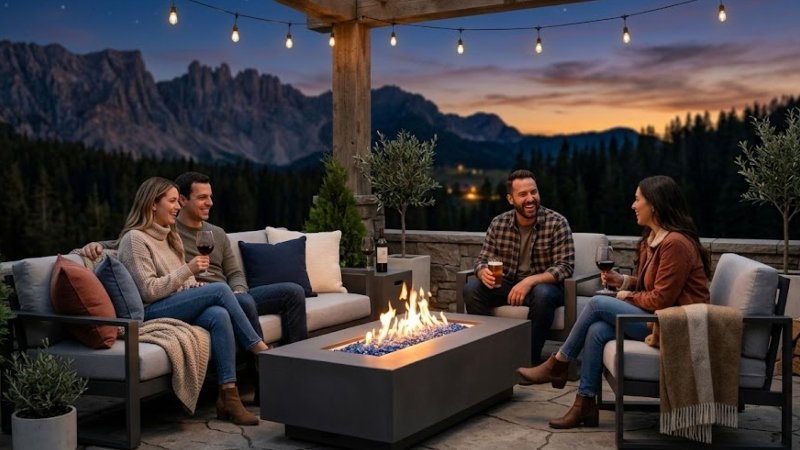
Outdoor living spaces have become an important extension of the modern home. Whether hosting guests, spending time with family, or simply relaxing after a long day, a fire pit can create a warm and inviting atmosphere. Among the available options, propane fire pits have become increasingly popular because they offer convenience, clean operation, and consistent performance.
This guide explains everything you need to know about propane fire pits, including their benefits, safety considerations, maintenance requirements, and how to select the right model for your outdoor space.
Quick Answer
Propane fire pits are outdoor heating features that use propane gas to produce a controlled flame without the smoke, ash, or cleanup associated with traditional wood-burning fire pits. They are popular for their convenience, easy ignition, low maintenance requirements, and ability to provide instant warmth and ambiance in outdoor settings.
What Are Propane Fire Pits?
A propane fire pit is a gas-powered outdoor fire feature that uses liquid propane stored in a tank to fuel a flame. Unlike traditional fire pits that require wood, propane models can be ignited with the push of a button or a simple ignition system.
Most propane fire pits are designed to provide both warmth and aesthetic appeal while minimizing smoke and maintenance.
Benefits of Propane Fire Pits
Easy to Use
One of the biggest advantages of propane fire pits is their simplicity. Users can start and stop the fire almost instantly without gathering wood or managing embers.
Low Maintenance
Because propane burns cleanly, there is no ash, soot, or leftover debris to clean after use.
Consistent Heat Output
Propane provides a steady and predictable flame, making it easier to control heat levels.
Smoke-Free Experience
Many homeowners prefer propane fire pits because they produce little to no smoke, allowing guests to enjoy outdoor gatherings more comfortably.
Modern Design Options
Propane fire pits are available in various styles, including:
- Fire pit tables
- Bowl fire pits
- Rectangular fire pits
- Portable models
- Contemporary outdoor designs
Propane Fire Pits vs Wood-Burning Fire Pits
| Feature | Propane Fire Pits | Wood-Burning Fire Pits |
|---|---|---|
| Smoke Production | Very Low | High |
| Cleanup Required | Minimal | Significant |
| Ignition Speed | Instant | Slower |
| Heat Control | Easy | Limited |
| Maintenance | Low | Higher |
| Traditional Campfire Experience | Moderate | Excellent |
Both options have advantages, but propane fire pits are generally preferred by homeowners seeking convenience and cleaner operation. See more!
Types of Propane Fire Pits
Fire Pit Tables
These combine a functional table surface with a built-in fire feature, making them ideal for entertaining.
Portable Fire Pits
Portable models offer flexibility for camping trips, patios, and outdoor events.
Built-In Fire Pits
Permanent installations create a high-end outdoor living environment and often become the focal point of backyard spaces.
Decorative Fire Bowls
Fire bowls emphasize aesthetics while providing warmth and ambiance.
How to Choose the Right Propane Fire Pit
When selecting a propane fire pit, consider the following factors:
Size
Choose a model that fits comfortably within your outdoor space.
Heat Output
BTU ratings help determine how much warmth the fire pit can provide.
Design Style
Select a design that complements your outdoor furniture and landscaping.
Portability
Consider whether you want a permanent installation or a movable unit.
Fuel Tank Storage
Some models include hidden propane tank compartments for a cleaner appearance.
Safety Tips for Using Propane Fire Pits
Safe operation should always be a priority.
Important safety practices include:
- Place the fire pit on a stable surface.
- Maintain proper clearance from structures.
- Inspect gas connections regularly.
- Keep flammable materials away from the flame.
- Follow manufacturer instructions.
- Turn off the gas supply after use.
Following these precautions can help ensure safe and enjoyable operation.
Maintenance Requirements
Although propane fire pits require less maintenance than wood-burning alternatives, regular care remains important.
Recommended maintenance includes:
- Cleaning burner ports periodically
- Inspecting hoses and connections
- Protecting the unit with a cover
- Checking ignition systems
- Removing dirt and debris
Routine maintenance can help extend the lifespan of the fire pit and improve performance.
Fuel Efficiency and Operating Costs
Fuel efficiency is an important consideration for long-term ownership.
Factors that affect propane consumption include:
- BTU output
- Flame setting
- Duration of use
- Weather conditions
Higher-output fire pits typically consume more fuel, while moderate flame settings can improve efficiency and reduce operating costs.
Advantages and Disadvantages of Propane Fire Pits
| Advantages | Disadvantages |
| Instant ignition | Requires propane refills |
| Low maintenance | Less traditional atmosphere |
| Minimal smoke | Fuel costs may vary |
| Easy heat control | Limited crackling fire experience |
| Clean operation | May require tank storage space |
| Modern designs | Higher upfront cost for premium models |
Understanding both benefits and limitations helps buyers make informed decisions.
Environmental Considerations
Compared with wood-burning fire pits, propane fire pits generally produce fewer airborne particles and less smoke. This cleaner combustion can contribute to improved outdoor air quality and a more comfortable experience for users and nearby neighbors.
Are Propane Fire Pits Worth It?
For homeowners who value convenience, clean operation, and modern outdoor living, propane fire pits are often an excellent investment. They offer reliable performance, minimal maintenance, and attractive designs that can enhance patios, decks, and backyard gathering spaces.
While wood-burning fire pits continue to appeal to those seeking a traditional campfire experience, propane models provide a practical solution for many modern outdoor environments.
Conclusion
Propane fire pits combine warmth, convenience, and style in a way that appeals to many homeowners. Their easy operation, low maintenance requirements, and smoke-free performance make them a popular choice for outdoor entertaining and relaxation. By considering factors such as size, heat output, safety features, and fuel efficiency, buyers can choose a propane fire pit that enhances their outdoor living space for years to come.